







- EDITIONS:
 Spanish News Today
 Alicante Today
 Andalucia Today
Spanish News Today Editors Roundup Weekly Bulletin March 20

TOP STORIES: "Murcia Corvera Airport all summer flight destinations 2026" & "Where to turn for help with your Spanish 2026 tax returns"
Eid Mubarak, everyone! Today marks the end of Ramadan – a Muslim holy month that has been marked by earth-shattering developments in the Middle East this year. And it’s not long now until Semana Santa, Spain’s ‘Holy Week’, the Easter holidays, when (this may come as no surprise to you), people have increasingly been moving their vacation plans away from places like Jordan, Cyprus and Dubai towards – yep, you guessed it – sunny Spain.
Helped, of course, by the increased schedule of flights available as we approach the summer high season already, just starting up at this time of year, which also signals the start of tax returns season. Plenty to dig our teeth into this month!
Easter of Eden
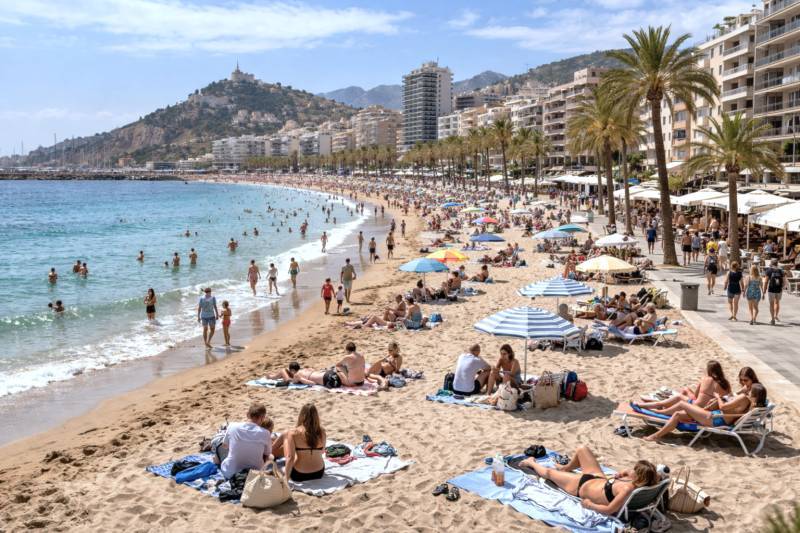
There is something telling about where people choose to go on holiday when the wider world feels unsettled. This Easter, Spain is emerging once again as the default option for many European travellers, not necessarily because it is new or surprising, but because it feels dependable. With headlines dominated by the geopolitical tension in the Middle East, that sense of familiarity is proving to be a powerful draw.
Across the country, bookings are climbing. The Balearic and Canary Islands in particular are seeing strong demand, with British and German tourists leading the charge as usual. Mallorca, especially, has reported a notable surge in UK bookings in recent weeks, while the Canary Islands are also experiencing a steady rise.
According to tourism industry insiders, this shift reflects a broader change in behaviour, with travellers appearing to favour destinations perceived as stable over those closer to areas of uncertainty in the eastern Mediterranean, such as Cyprus or Turkey.
For Spain’s tourism sector, this renewed confidence is understandably welcome. Businesses that rely on the Easter period to kick-start the season are preparing for one of their busiest starts in years. Hotels are reopening in large numbers, restaurants are smoothing down tablecloths and cultural venues are gearing up for increased footfall.
All in all, there is a general sense that the industry is regaining momentum after a challenging few years, when it seemed like holidaymakers were beginning to start favouring other sunspots with less “anti-tourism” protests.
Yet the picture is not entirely straightforward because higher visitor numbers do not automatically translate into higher profits. Rising costs remain a concern, with inflation continuing to affect everything from energy bills to food supplies, as well as the price of flights. For many operators, the challenge is not just attracting tourists, but ensuring that the overall holiday experience remains affordable enough to sustain demand while still maintaining profit margins.
It is a fine line to walk, and there is also the familiar question of how far the growth can go before it begins to create friction. The return of large visitor numbers inevitably brings renewed discussion around sustainability and the impact on local communities. In some areas, particularly those that already feel the pressure of peak season crowds, the coming weeks may test how well that balance can be managed.
Pretty little Corvera
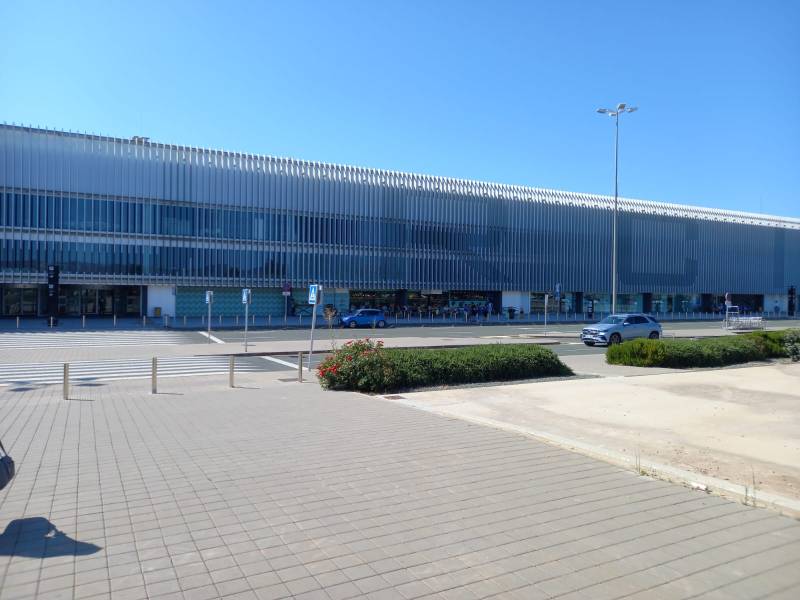
Okay, so we’re coming to the end of March. And guess what that means? The start of the summer flight season at Spain’s airports, including the Region of Murcia International Airport. So, what can we expect from this high season at Corvera?
Well, there will be 20 routes operating from April 1 until around mid- to late-October, two more than this time last year but actually four down from 2024. The flight destinations for this summer include new connections to Lille (France) and Venice (Italy) set to start at the end of June, alongside the usual strong core of Ryanair and easyJet flights to the United Kingdom and Dublin.
Other changes include Air Arabia swapping out its Morocco flights to Oujda in preference of Nador as a destination for this year, and domestic flights within Spain focusing on Gran Canaria and Tenerife instead of any destinations in the Balearic Islands.
While this year’s crop of flight destinations represents incremental growth on top of the pretty familiar recurring summer flight schedule, it also highlights the measured pace at which the airport continues to develop its offering. Two steps forwards, one step back sort of thing.
Alongside the flight schedule, there are also signs of improvement in how visitors move through the region once they arrive. Airport Buses, which has been operating since May 2025, is continuing to expand its presence and reputation. By coordinating its services with incoming and outgoing flights, it offers a straightforward connection between the airport and a wide range of coastal destinations across Murcia and neighbouring areas.
The appeal is easy to understand. With relatively low fares and a broad network of stops, the service provides a practical alternative to car hire or private transfers. For many travellers, particularly those heading to well-known resort areas or golf developments, this kind of reliable, pre-arranged transport can make a noticeable difference to the overall travel experience, and it’s no wonder that absolutely everyone who has used the service so far has, without exception, praised it as punctual, professional and very, very handy.
Where to turn for help with your Spanish 2026 tax returns
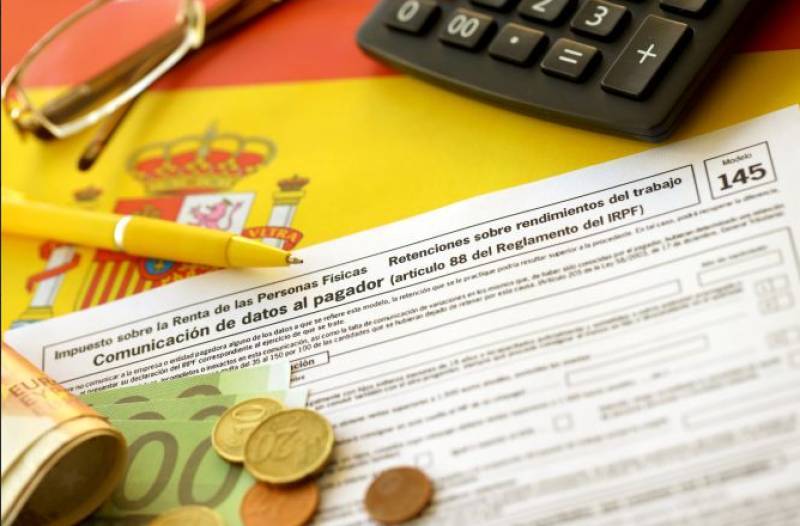
Declaración de la Renta 2025/2026, or Spanish Income Tax Return season, is creeping up again and yes, it’s that time of year when everyone suddenly becomes very interested in receipts, deductions and whether they accidentally sold something on Wallapop that now needs declaring.
The good news is you don’t have to go in blind this year. From March 19, you can already log in and check your tax data before the campaign officially kicks off. That means income, bank details, address, deductions: the lot. It might not sound thrilling, but catching a mistake now could save you a nasty surprise later when the fines start flying.
And let’s be honest, the system isn’t exactly known for being forgiving. One wrong figure, one missed detail, and suddenly you’re in paperwork purgatory trying to fix it or worse, facing an embargo on your bank account.
The actual campaign opens on April 8, which is when you can start submitting your return online, and it runs until the end of June.
If you’re already feeling a bit lost, there’s a handy bit of support on the way. A new initiative with the Spanish Association of Tax Advisors is inviting people to send in their questions ahead of time, with experts answering them on April 7, just before everything opens up.
So if you’re wondering about property sales, side hustles or even crypto, it’s worth getting your questions in early.
One organiser said the goal is to offer clarity at a time when many taxpayers feel most at sea.
“We want to provide clear answers before the deadline arrives,” he promised.
There’s also the usual confusion about who actually needs to file. Some lower income earners and pensioners might not have to submit a return at all, but it’s still worth checking rather than assuming. Plenty of people skip it and later realise they either owed money or were due a refund.
An honest mistake maybe, but the Spanish taxman won’t care a bit.
A few key dates to keep in mind: online filing runs from April 8 to June 30. Phone assistance starts May 6, in-person appointments from June 1, and if you’re paying by direct debit, you’ll need to sort that by June 25. Miss that and things get a helluva lot more complicated!
So yes, it’s still a bit of a minefield. But with early access to your data and actual experts answering real questions this time round, it might just be slightly less painful than usual. Slightly, we said slightly!
Murcia
Now let's take a look at what's been happening in the Region of Murcia. After years of roadworks, diversions and a fair bit of patience from drivers, Murcia’s northwest ring road is finally set to open fully next week.
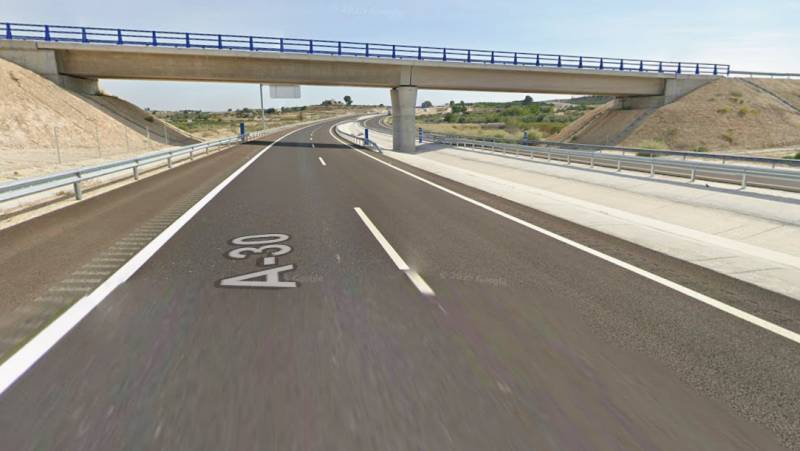 The last 7.6km stretch is due to open on Monday March 23, completing the full 21.7km bypass linking the A-30 and A-7. So in practice, it should take a fair amount of traffic out of the city centre, and should be able to go around it instead.
This final section connects Las Torres de Cotillas with the Murcia-Alcantarilla junction, making it easier for long-distance drivers travelling between places like Andalucía, Cartagena, Valencia and Albacete to avoid the usual bottlenecks.
The project has been in the works since 2019, with earlier sections opening last summer. Now, with the full route in place, officials estimate it could take thousands of vehicles off the city’s busiest roads every day, including around 3,800 trucks.
Anyone who regularly deals with traffic around Espinardo or the western ring road will know how busy it can get, especially at peak times, and while the new ring road won’t fix everything overnight, it should make quite a difference.
It’s coming at a good time with Easter on the approach and more people head towards the coast, who will now have the option to bypass Murcia altogether to help take some of the pressure off the roads.
On a less positive note, a new report has once again drawn attention to some roads in the Region with higher accident risk.
According to the European Automobile Association, two separate parts of the N-301 near Abarán have been ranked among the most dangerous in Spain. Two one-kilometre sections sit at positions 35 and 36 on a national list of high-risk roads.
These areas have appeared in previous reports too, with a risk index far above the national average. Around 1,100 vehicles use these roads daily, which adds to the concern.
The report also points to several sections of the AP-7 within the Region of Murcia, particularly near San Javier, as higher-risk than average. While motorways are generally considered safer, some areas are still seeing increased accident levels.
It’s not anything to panic about, but it does highlight the need for improvements and a bit more awareness from drivers.
On the resorts, a new chapter is taking shape at La Manga Club, where British stalwart Taylor Wimpey has confirmed a €26 million investment in a development named Siena, which will be the company’s first in La Manga and promises to be a major boon for what is already one of Murcia’s most luxury resorts.
The initial phase will feature modern three-bedroom, two-bathroom apartments, with a mix of ground-floor homes offering gardens and upper-level properties with terraces and rooftop solariums. Naturally, the lucky residents who eventually come to inhabit these homes will have access to the resort’s extensive facilities, including the restaurants, golf courses and spa.

But that’s not all. Because Talyor Wimpey also plans to create communal areas such as pools, gardens and play spaces, with completion expected by February 2028, while a second phase, including townhouses and villas, is already in preparation. One to watch in the long term.
Over in Condado de Alhama, there are some promising developments as plans to expand the sports facilities, with two new football pitches and additional amenities, have now been approved.
The project includes changing rooms, a gym, storage areas and maintenance facilities, and is part of a larger plan to keep developing the resort as both a residential and holiday destination.
Work has already started on preparing the site, which hasn’t gone unnoticed by nearby residents. Like most construction projects, it’s brought some dust and disruption, but both the developer Alhama Nature and the town hall to be a temporary inconvenience.
In the longer term, the idea is to improve what’s on offer in the area, particularly as Condado continues to grow. There’s also talk of attracting more teams and tournaments in the future, which could bring a bit more activity and excitement to the resort and the area in general.
Another new service coming to Murcia, one that could come in handy around the house, is the rollout of IKEA’s home services app. The platform, called Ikea Home, connects users with verified professionals for jobs like plumbing, electrical work, painting, air conditioning and even seasonal tasks like pool maintenance.
It’s already been trialled in Madrid and Barcelona, and Murcia is one of the next regions to be included as it expands, following the closing down of IKEA’s planning store in Cartagena this month. For now, the company is still building up its network of service providers, but the app is expected to be fully up and running by May.
The idea is fairly straightforward, instead of chasing recommendations or waiting around for quotes, users can search, compare and book services directly through the app. Finding help for jobs around the house isn’t always straightforward, so this could make things much easier.
For anyone looking around for something to do this weekend, you could do worse than a special tapas route based on the Berber Pirates in Los Alcázares or a visit to a real Spanish Navy patrol ship inthe Port of Mazarrón, while you can join a curry and quiz evening at Restaurant Fiesta in Camposol to raise money for MABS cancer charity next Wednesday.
See our EVENTS DIARY for more events and activities coming up soon in the Region of Murcia:
Spain
This week, we took a closer look at how low-cost shopping chains are changing the face of Spain’s high streets. Chances are you may not know much about these brands yet, but they’re opening more stores and offering cheaper options in fashion, homeware, toys and more. As prices for fuel and electricity climb, families are looking to keep everyday spending under control and are increasingly heading to these stores, alongside the better-known names like IKEA and Primark.
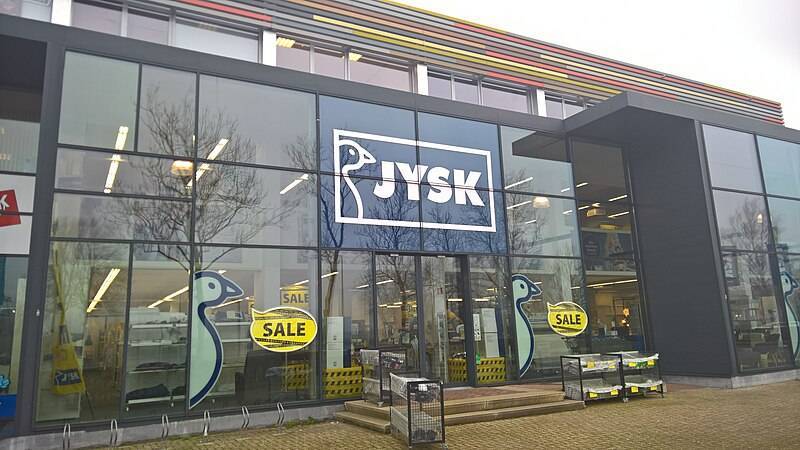 For example, Danish chain Jysk offers affordable furniture, bedding and home accessories, while Malaga-based MGI started with low-cost toys and now sells household appliances and garden products too. Discount fashion is also getting more popular as more budget brands pop up: German retailer KiK launched in 2022 with the promise of ‘dressing from head to toe for €30’, while other international chains are also growing in Spain.
Polish retailers Half Price and Pepco, Dutch chain Action, and Danish cosmetics and household retailer Normal are opening more stores, while Spanish brand Ale-Hop continues to expand internationally. Chinese chain Miniso is also gaining attention for its everyday items and “small, affordable joys”.
And, of course, it’s no surprise that shoppers are turning to these options, with the cost of living going up, inflation pushing prices higher and money feeling tighter. These stores give people a way to stretch their budget without giving up on what they need.
Away from the high streets, another story has been making headlines across the country this week. Doctors across Spain have spent the past week on strike, with protests taking place in cities nationwide. The action was over the National Framework Statute, which sets working conditions for doctors and other health professionals. Unions say it doesn’t fully reflect the demands of their job and have been calling for a separate statute just for doctors.
The strikes ran from March 16 to 20 and are part of a series planned monthly until June. Hospitals continued to provide emergency services, urgent care, oncology, dialysis and other critical treatments, but routine appointments and elective procedures were delayed. In the Region of Murcia, around 900 doctors stayed on duty to cover essential care, with hospital wards operating at roughly 50% capacity.
Alongside the strikes, demonstrations took place across Spain. In Murcia, a march started from the Palacio de San Esteban, while in Madrid, doctors marched from the Congress of Deputies to the Ministry of Health. Let’s hope they get this resolved soon, as doctors definitely deserve recognition, and if they don’t, more disruption and strikes will follow.
And, to finish our Spain section on a high note, it may not surprise you to learn – given how wet this winter has been – that Spain’s water levels are the highest they’ve been in 12 years. So even though the start of 2026 has been one of the greyest and rainiest in recent memory, at least there’s a silver lining for the country’s water supply.
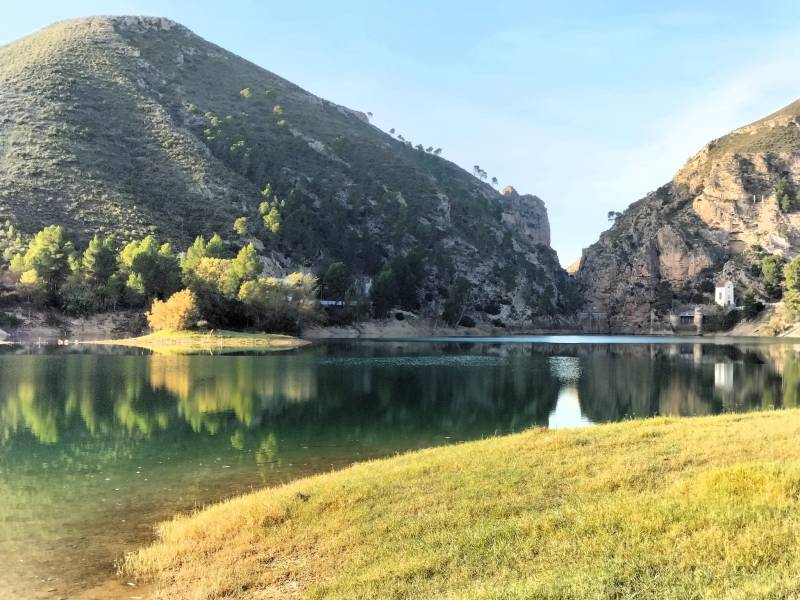 Reservoirs are now at 83.2% of total capacity, holding 46,608 cubic hectometres of water, slightly above the 2014 record. This gives a solid start for the summer and the dry season overall. If we break it down by river basin, the Segura basin in southeastern Spain is just over half full at 51.2%, while the Tajo basin in central Spain is at 81.2% and the Júcar basin at 66.6%. Some areas, like the northern Atlantic coast and inland Cataluña, have lower levels, mainly due to local rainfall and water demand.
The higher levels are important for drinking water, agriculture and industry, especially in the southern and central regions of the country. For areas like the Segura basin, which often face water shortages, this increase is particularly welcome. Hopefully, this wetter weather will mean fewer restrictions this summer, so people can fill their pools and enjoy showers at the beach without a second thought!
Alicante
A new ranking has just confirmed what most people living on the Costa Blanca already suspected: it’s one of the happiest places to be in Spain.
The latest Spain Happy Index has been crunching the numbers for 2026, looking at everything from sunshine and temperatures to access to services, and Alicante province comes out looking very good indeed.
Down south in the Vega Baja, places like Guardamar del Segura and Torrevieja both scored highly, with Orihuela and surrounding towns not far behind. Head a bit further up the coast and you’ve got the usual suspects like Benidorm and Altea also making the list, while even inland towns are getting a look in this year.
At the top of the provincial leaderboard sits Santa Pola, with Alicante city and Elche close behind. When you factor in the sunshine, the coast and the overall lifestyle, it’s not exactly a shock.
And speaking of happy vibes, nowhere sums up the exuberant Costa Blanca atmosphere quite like the weekend just gone in Cabo Roig, where thousands turned out for the annual Saint Patrick’s Day parade.

The area was absolutely thronged, especially along Calle Cielo, as floats, dancers, bikers and plenty of very enthusiastic leprechauns made their way through the streets.
It kicked off mid-afternoon and quickly turned into a full-on street party, with music, bagpipes and more pints of Guinness than you could count.
What started years ago as a small local event has now grown into one of the biggest celebrations of its kind in Europe and judging by this year’s turnout, it’s only getting bigger.
By the time the parade wrapped up, most people had already spilled into the bars and terraces nearby, keeping things going well into the evening. Not a bad way to celebrate living in one of the “happiest” corners of the country.
Now, if you’re looking for something a little bit different to do this weekend, Bioparc Valencia has just unveiled an exhibit that’s equal parts fascinating and stomach-turning. The immersive park has just introduced creepy creatures commonly known as “surgeon ants”, interesting insects with a surprisingly brutal survival tactic.
 When one of their own gets injured, they don’t just leave it to chance. If a limb is too damaged, they’ll quite literally remove it to stop infection spreading, then clean the wound afterwards.
Their new habitat is set inside a cave-style enclosure where you can watch the colony going about its daily life, from tunnel building to food storage, and occasionally these mini-medical procedures.
It’s not all grisly though, it’s genuinely interesting to see how organised they are, with different roles across the colony and some pretty fierce defence tactics when threatened.
Still, maybe not one for the squeamish.
For other events and activities happening in the area, check out the What’s On page of Alicante Today or join the Costa Blanca What’s On and Where to Go Facebook group
Andalucía
Travel is the theme this week in Andalucía, with AVE delays frustrating visitors, new train stations and airport perks on the horizon, and the anticipated Gibraltar border deal inching ever closer.
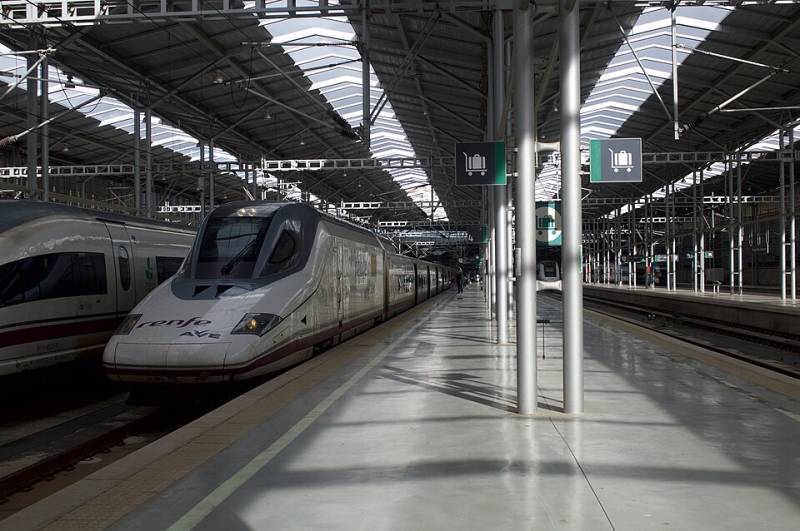 For travellers on the Málaga-Madrid AVE, the announcement everyone was dreading finally arrived this week. The president of Adif, Pedro Marco de la Peña, confirmed that trains will not be back on track before the final week of April. That means the long-running disruption will stretch right through Semana Santa and the Easter break, one of Málaga's busiest and most profitable weeks of the year.
The closure, which began in January following the Adamuz accident and the landslide in Álora, is wreaking havoc on tourism and the local economy, with travellers still having to take a bus between Málaga and Antequera-Santa Ana before continuing north by train.
Tourism minister Arturo Bernal said the region faces a financial hit of up to €200 million, while Economy chief Carolina España called the delay “a disaster for many self-employed workers, many businesses and for employment”.
Even Málaga's mayor, Francisco de la Torre, admitted, “It is not good news.” With an estimated €1.3 billion in total losses across the Costa del Sol, frustration is building as the millions in potential revenue this Holy Week slip away.
Still, there is brighter news for rail lovers further east in Almería province, where a long-awaited station is steaming ahead. Adif has confirmed that all design plans for the new Vera AVE station are complete, bringing the high-speed stop a big step closer to reality. The station, set to rise at Media Legua near the Garciden industrial area, will include a ticket hall, luggage storage, car rental area and 100 parking spaces.
Basque engineering firm Saitec, which designed the station, will also oversee the build once the separate tender goes out before summer. The project is being synchronised with the Pulpí-Vera railway section to make sure the new facility doesn’t sit idle while trackwork catches up, a fate that’s befallen several other sites along the Mediterranean Corridor before.
Locals have long been waiting for Almería to get its share of Spain’s AVE network, and this new stop is key to finally linking Almería’s Levante area to the rest of the Mediterranean. Once it all connects, travellers will have a faster, smoother route north and a long-promised boost for the local economy, though it will mean this relatively secret corner of Andalucía could start to feel the pressure of overtourism that other Spanish destinations have suffered from.
This travelling via Seville airport this week got something new too, in the form of a handy new express parking area, P7, which has just opened right by Arrivals, offering the holy grail of airport perks: 10 minutes’ free parking.
With 164 spaces, including slots for people with reduced mobility and larger vehicles, P7 should finally solve the chaos of cars double-parking or blocking lanes while waiting for passengers. Aena, the airport operator, says the new system will make “"loading and unloading of passengers more accessible and faster”, while also helping to clear up congestion on access roads. Anyone who’s done a slow crawl past the terminal on a Friday afternoon will cheer that news.
And lastly, continuing on the theme of things moving forward (albeit at a more diplomatic pace), there’s encouraging progress in Brussels toward finalising Gibraltar’s post-Brexit future.
Spain’s Secretary of State for the EU, Fernando Sampedro, said talks are now “very advanced” and that the agreement could start being applied provisionally from Thursday April 10, pending European Parliament and Council approval.
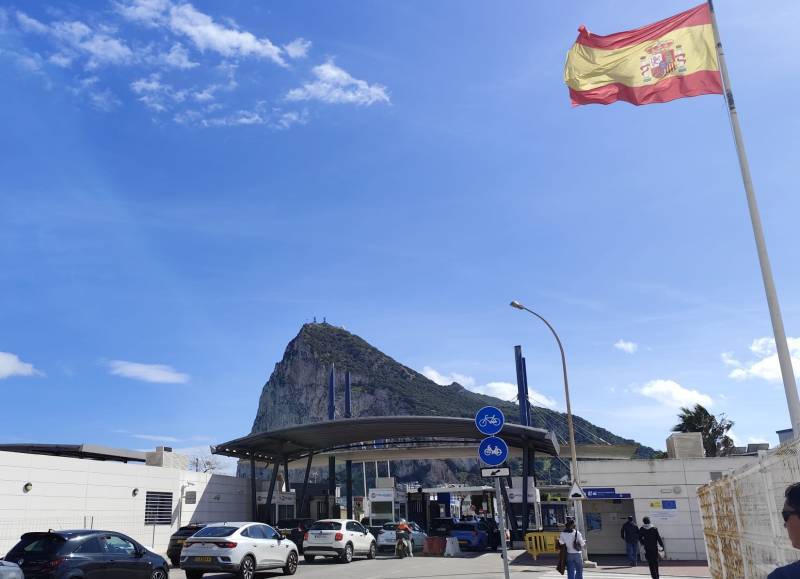
The treaty will remove the last physical border barriers between Spain and Gibraltar and shift Schengen entry checks to Gibraltar’s port and airport. While the exact implementation plan still needs signing off by Madrid and London, officials on both sides say things are looking positive.
Spain’s Foreign Minister José Manuel Albares met in Brussels this week with European Commissioner Maros Sefcovic to go over the latest details, reaffirming that the government wants to move quickly once Europe gives the green light.
Locally, there’s cautious optimism in the Campo de Gibraltar, just on the other side of the Gibraltar fence. The idea of a border-free crossing has huge symbolic weight, but many in La Línea de la Concepción – the Spanish town that directly fronts onto Gibraltar – still want guarantees that they won’t be left carrying the cost alone once changes take effect.
For now, though, it finally seems that after years of negotiation, one of Europe’s most contentious frontiers could soon become another open gateway, and is a feather in the cap for navigating the tough situation faced by the UK, the EU and Gibraltarians over the last 10 years following the Brexit referendum.
You may have missed…
- How to find the cheapest petrol in Spain every time you fill up.
In response to the crisis in Iran and well before the cost implications hit fuel buyers, filling stations started hiking up their prices to eye-watering figures, but drivers in Spain can use a handy online tool to pinpoint the best deals on petrol and diesel. - Southern Spain looks set for a warm spring but there could be a chilly Easter ahead.
After one of the warmest and wettest winters on record, we can expect mixed conditions for the months ahead, including a warmer-than-average spring, although early forecasts suggest the temperatures could dip just in time for Easter. - Almost 80% of Spaniards see nuclear war as a real possibility amid global tensions.
A recent survey by Spain’s official sociological research centre shows that the threat of global conflict is weighing heavily on the minds of Spaniards, with almost eight out of ten considering a nuclear war plausible. - Rise in hate speech linked to burka debate and Ramadan, new report finds.
Hate speech targeting people of foreign origin rose sharply in Spain in February, with new data pointing to a link between online hostility and recent political and social debates around migration, religion and dress. - New developments reshape the Costa Cálida property market.
A wave of modern residential projects is transforming parts of the Murcia coastline and nearby towns, with developers responding to growing demand from both international buyers and domestic purchasers looking for contemporary homes in the sun.
And that’s all we’ve got for you for another week. Have a great weekend, everyone.
See you next week!